 TrendLayer
Effective Methods for Retailers Launching Gender-Neutral Apparel Collections
Understanding Gender-Neutral Fashion
Gender-neutral fashion, also known as unisex fashion, aims to transcend traditional gender categories, creating apparel that is designed for all. It embodies a progressive approach in the fashion industry, promoting inclusivity and allowing individuals to express themselves without the constraints of conventional gender norms. In recent years, this segment has gained momentum, attracting attention from both emerging designers and established retailers.
Design Versatility in Gender-Neutral Apparel
Emphasizing Simplicity and Functionality
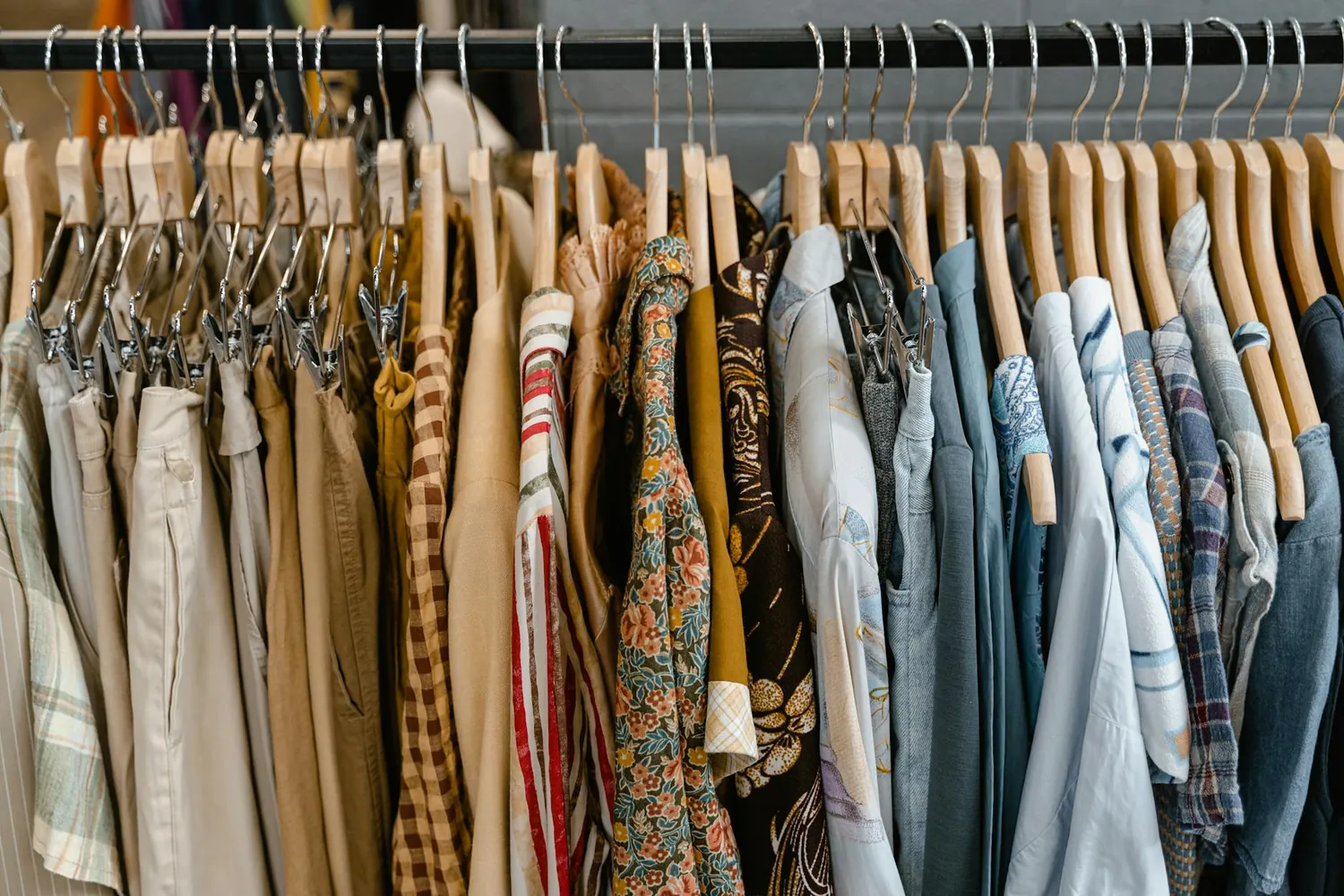
The hallmark of successful gender-neutral designs lies in their simplicity and functionality. These garments often focus on clean lines, neutral colors, and minimalist aesthetics that appeal to a wide audience. By concentrating on these elements, retailers can create pieces that offer comfort and versatility, encouraging consumers to style them according to personal preference.
For instance, consider how brands like Everlane have embraced muted palettes and simple silhouettes. These choices ensure their collections remain timeless and accessible, appealing to consumers seeking effortless style that can be adapted for any occasion.
Innovative Sizing Solutions
One of the challenges in gender-neutral fashion is accommodating various body types. Unlike traditional sizing based on binary gender models, gender-neutral lines require a more inclusive approach. Retailers can adopt innovative sizing solutions such as size-less clothing or custom-fit options that use body measurements to guide consumers to the best fit.
- Pro: Offers a personalized shopping experience.
- Con: May complicate manufacturing and logistics.
Brands like The Phluid Project have successfully implemented inclusive sizing, providing a model for retailers looking to bridge this gap.
Marketing Approaches for Gender-Neutral Lines
Creating Inclusive Campaigns
Marketing gender-neutral collections requires careful consideration of inclusivity in both visuals and messaging. Campaigns should celebrate diversity, featuring models of various gender identities, ethnicities, and body types to resonate with a broader audience.
An excellent example is Zara’s gender-neutral line, which utilized inclusive advertising to highlight its collection's universal appeal, thus reinforcing the brand's commitment to diversity and inclusivity.
Leveraging Social Media and Influencers
Social media platforms are powerful tools for promoting gender-neutral fashion. Collaborating with influencers who advocate for inclusivity can help retailers reach wider audiences and build authentic connections with consumers. These partnerships can boost visibility and engagement by aligning the brand with respected voices in the community.
- Pro: Increases brand credibility and reach.
- Con: Can be costly if not managed effectively.
Retailers should consider engaging influencers who embody the ethos of gender neutrality, such as Amanda Stenberg, known for their advocacy in gender rights.
Navigating Challenges in Gender-Neutral Fashion
Overcoming Industry Skepticism
Despite its growing popularity, gender-neutral fashion still faces skepticism from traditional industry segments accustomed to binary categorizations. Retailers need to educate stakeholders about the commercial viability and societal benefits of inclusive fashion lines.
This can be achieved through data-driven insights showcasing consumer interest and demand for gender-neutral options, as well as highlighting successful case studies from leading brands.
Sustainability Considerations
Sustainability is an integral part of modern fashion initiatives, including gender-neutral collections. Retailers should prioritize sustainable practices in their production processes, such as using organic materials or upcycled fabrics. This not only enhances brand reputation but also aligns with the values of eco-conscious consumers who often support gender-neutral brands.
- Pro: Enhances brand image and consumer loyalty.
- Con: May increase production costs initially.
Conclusion: Crafting a Successful Gender-Neutral Line
The journey towards launching a successful gender-neutral apparel collection involves thoughtful design, strategic marketing, and overcoming industry challenges. By focusing on versatility in design and embracing inclusive marketing strategies, retailers can tap into this dynamic market segment effectively.
Ultimately, gender-neutral fashion represents not only a commercial opportunity but a chance to lead the way in fostering an inclusive future for fashion. Retailers willing to innovate will likely find themselves at the forefront of this transformative movement.